Updated October 2026
Etna tours run all year, but the experience changes a lot with the seasons. The short answer: May to October for summit hikes, spring and autumn for the best balance of weather and crowds, and winter for snow-covered craters.
Spring (March–May)
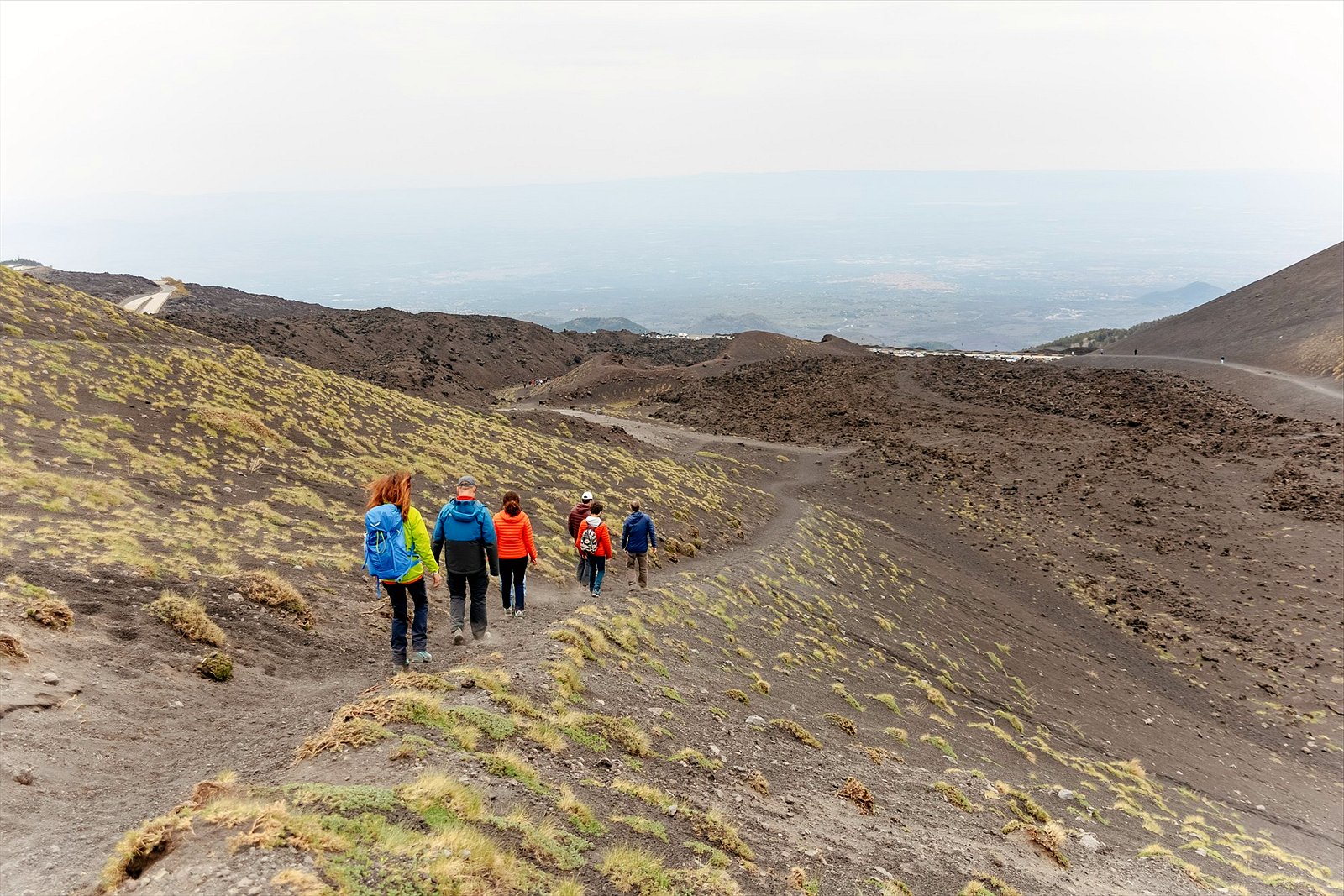
Mild on the coast, still cool and sometimes snowy higher up. Wildflowers and broom bloom on the lower slopes in May. Summit access usually opens from late spring depending on snow. A great time for sunset tours and lava cave visits with few crowds.
Summer (June–August)
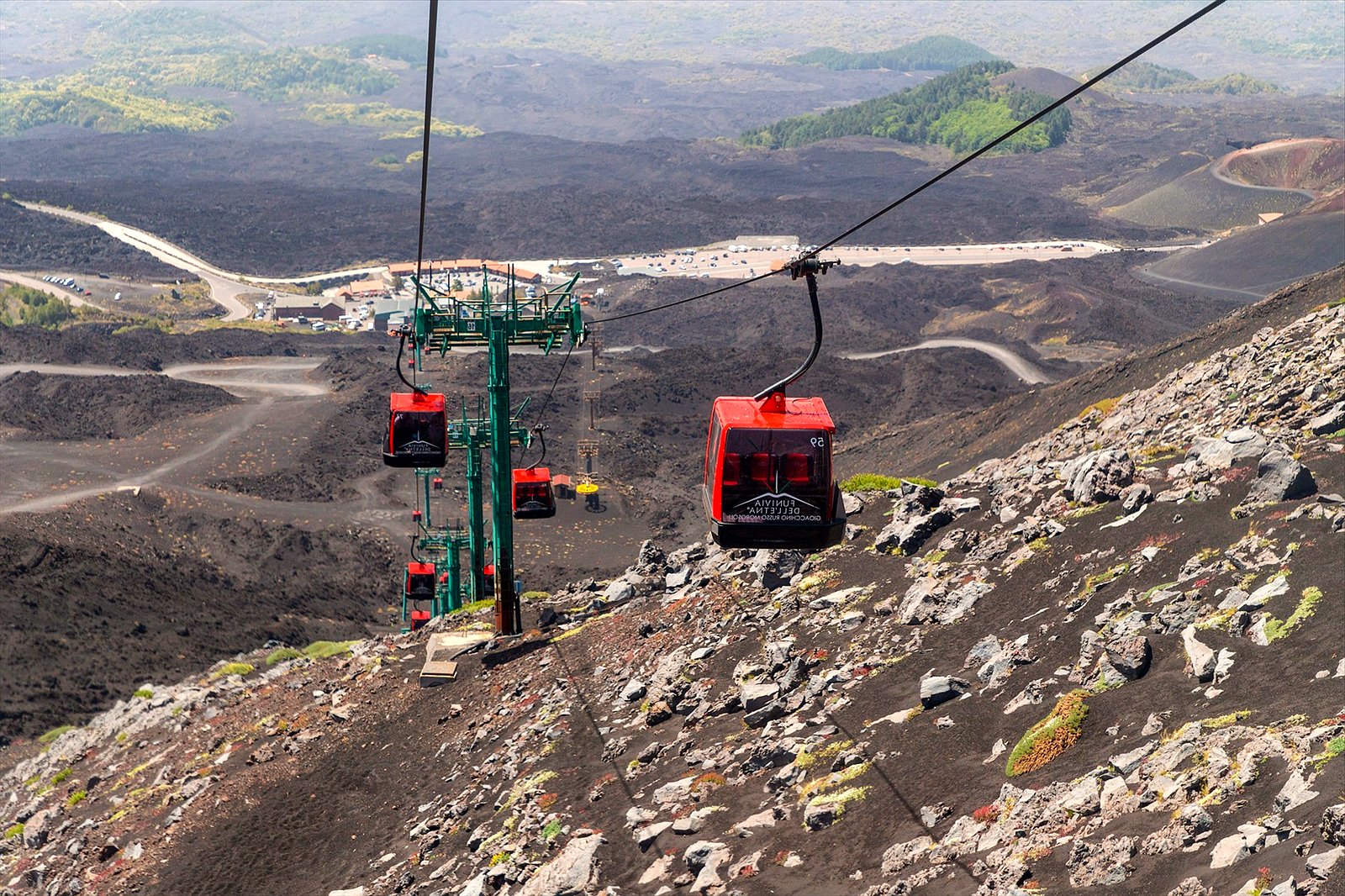
The main season. Summit hikes run daily, the cable car is busiest and tours sell out — book a few days ahead. It may be 35 °C in Catania but only 5–15 °C at 3,000 metres, so bring layers. Start early or choose a sunset tour to avoid the midday heat on the lower slopes.
Autumn (September–November)
Many guides’ favourite season: stable weather, clear views to the Aeolian Islands and fewer people. The grape harvest in Etna’s vineyards makes it a perfect time to add a wine tasting. Summit access usually continues into October.
Winter (December–February)
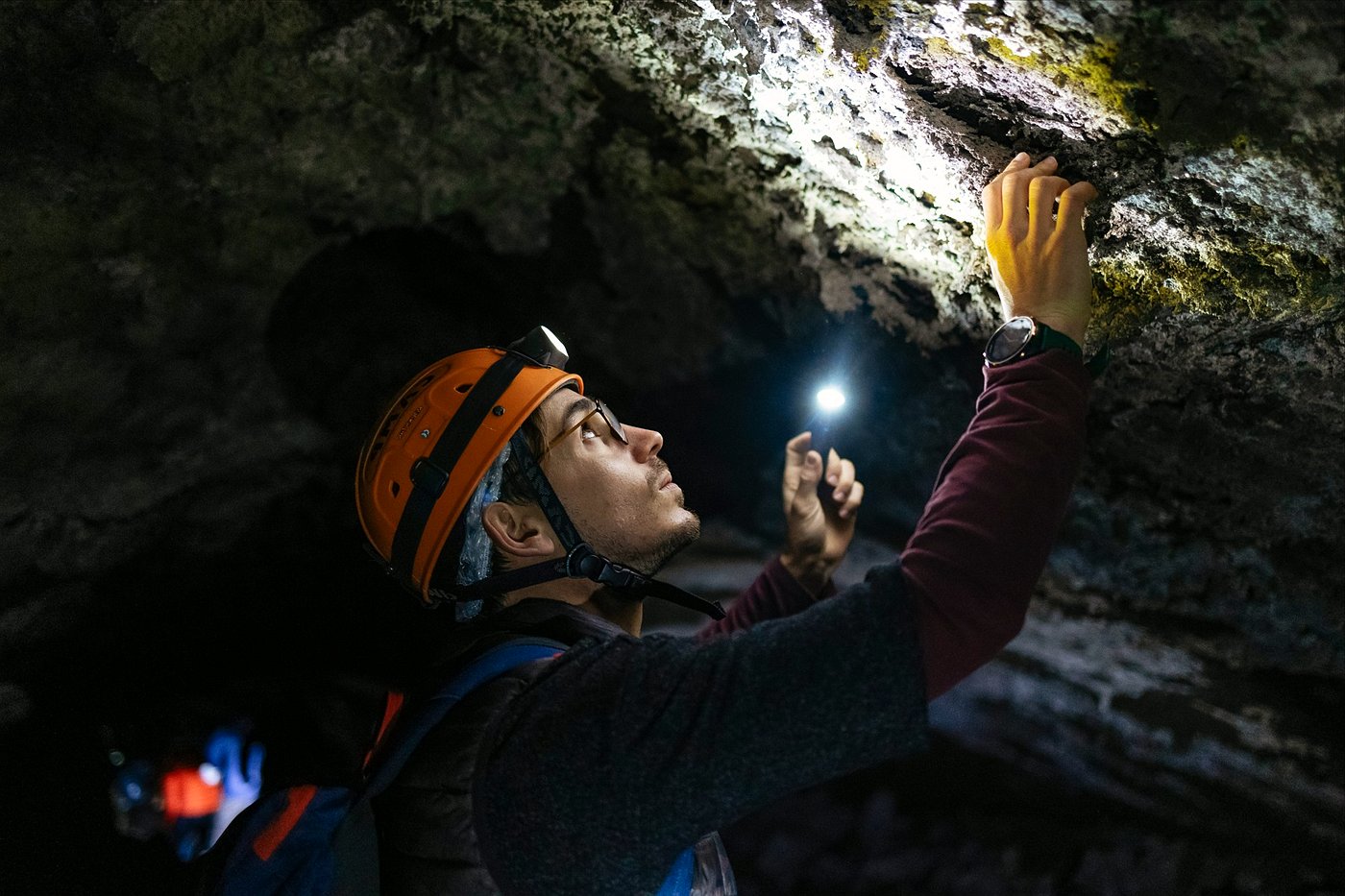
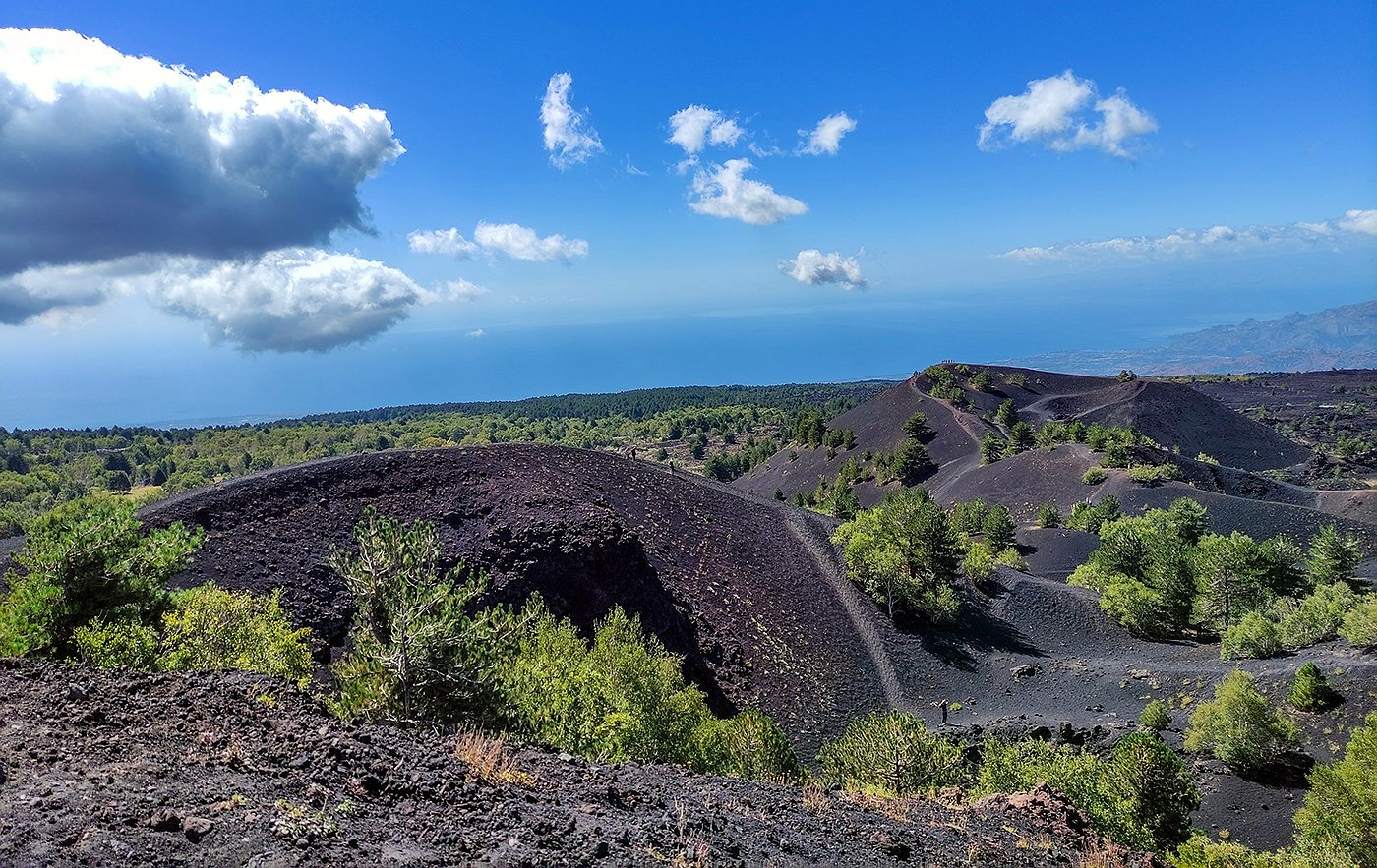
Snow covers the upper slopes and there is even skiing at Etna Sud and Etna Nord. Summit hikes are usually not possible, but tours to the Silvestri craters and lava caves still run, and a smoking crater in the snow is unforgettable. Some roads may need snow chains.
Morning or sunset?
Mornings are usually clearer and better for long views and summit hikes. Sunset tours are the most atmospheric — the craters glow orange, and when Etna is active you may see red lava against the darkening sky.
What about eruptions?
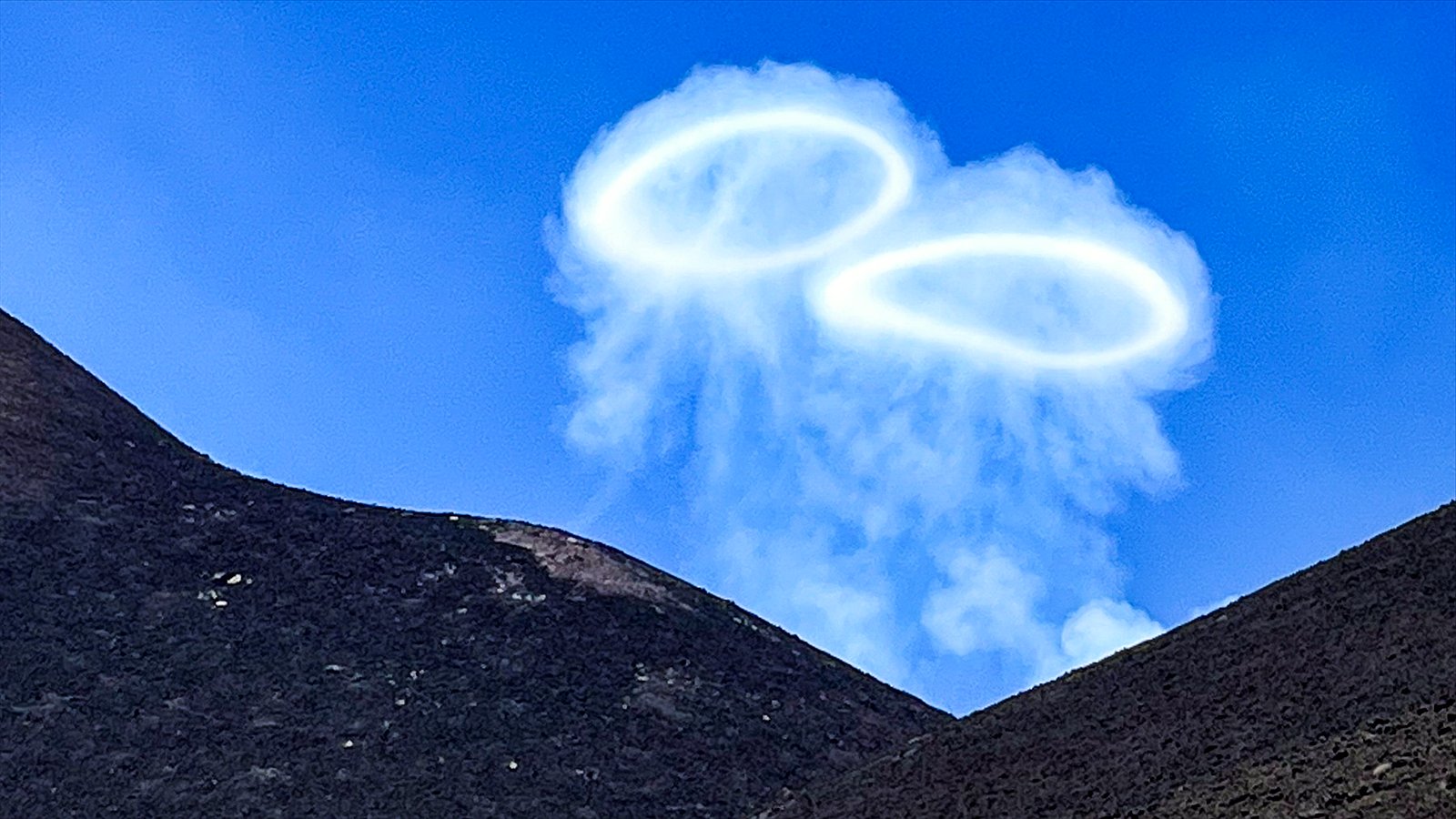
Etna erupts several times a year. Activity rarely cancels a tour — guides simply change the route, and a gentle eruption can even become the highlight. Access rules are updated by the authorities daily. Read more in can you visit Mount Etna.